

Astronomy Picture of the Day
View the NASA Astronomy Picture of the Day (APOD) with explanation, HD image or video, and automatic daily updates. Explore the universe with today’s official NASA space photo.
NASA Astronomy Picture of the Day – Today’s Space Image
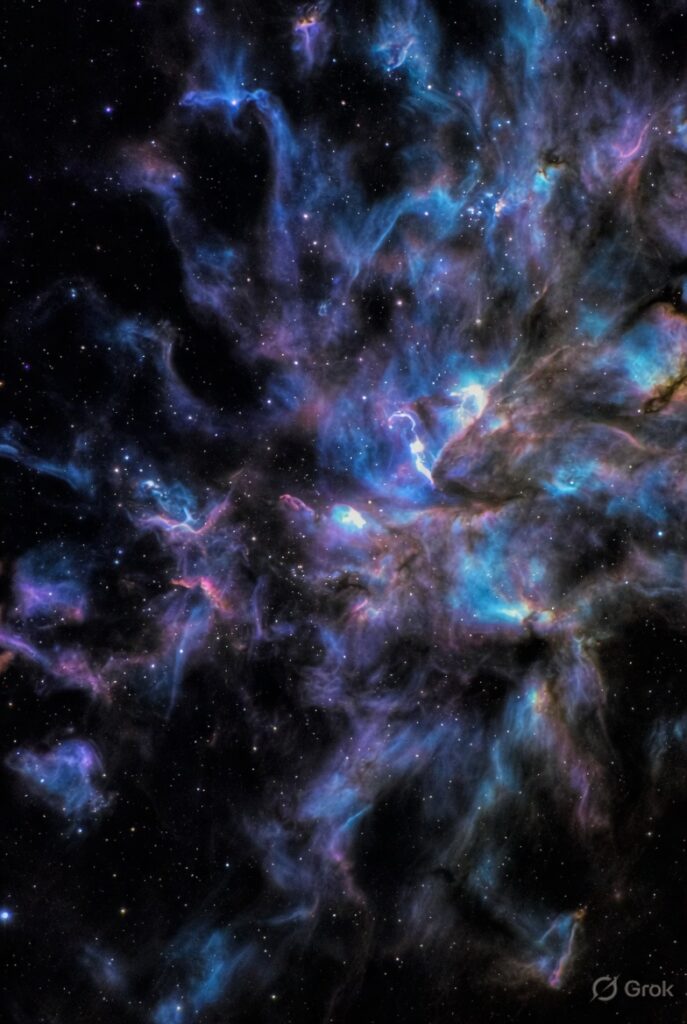
Every day, space enthusiasts around the world wait to see a new image from NASA that reveals the beauty and mystery of the universe. The Astronomy Picture of the Day (APOD) presents a carefully selected photograph or video from space along with a detailed explanation written by professional astronomers.
On this page, you can view the latest NASA Astronomy Picture of the Day directly on our website, including the title, description, and high-resolution image or video. The content updates automatically every day, allowing you to explore the cosmos without leaving the page.
What Is NASA Astronomy Picture of the Day?
The NASA Astronomy Picture of the Day (APOD) is one of the longest-running astronomy websites in the world. It was created in 1995 and showcases extraordinary images captured by telescopes, spacecraft, and astrophotographers.
Each daily entry includes:
- A high-quality space image or video
- A scientific explanation
- The date of publication
- Credits to scientists or observatories
The program is designed to help people understand astronomy and appreciate the universe.
Why NASA APOD Is Popular
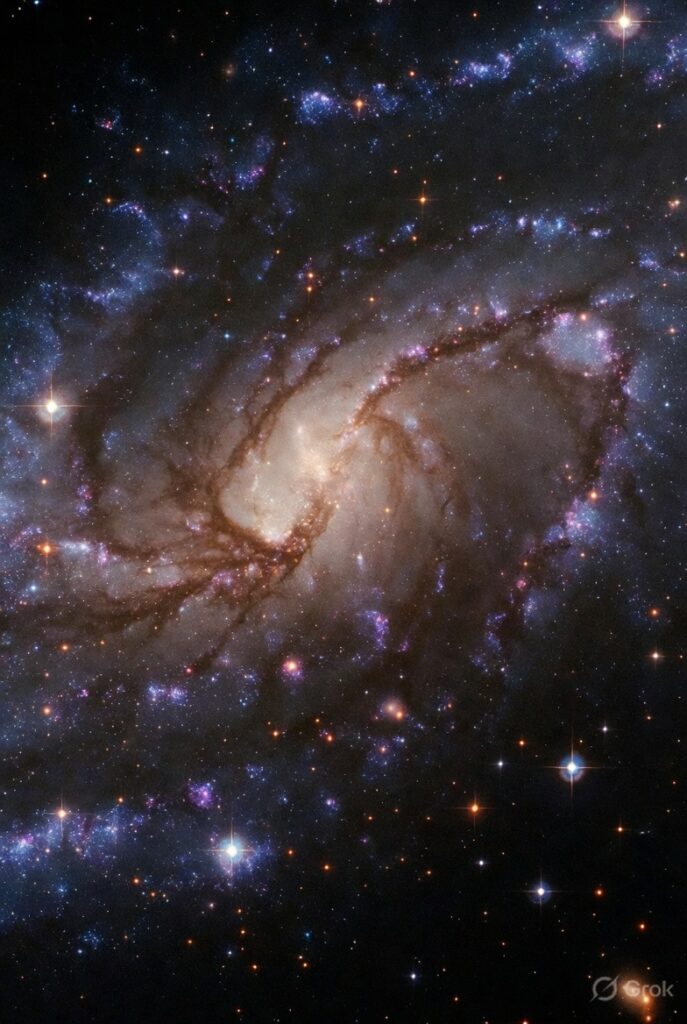
Millions of people visit the APOD page every day because it offers a unique combination of science, education, and stunning visuals.
Here are a few reasons why it is so popular:
1. Incredible Space Photography
Images often include galaxies, nebulae, planets, and cosmic events captured by telescopes like the Hubble Space Telescope and the James Webb Space Telescope.
2. Educational Explanations
Each picture comes with a detailed explanation written by professional astronomers, helping readers understand the science behind the image.
3. Daily Updates
NASA publishes a new APOD entry every day, making it one of the most consistent astronomy resources online.
View Today’s Astronomy Picture of the Day
On this page, you can explore today’s space image selected by NASA. The system automatically loads the latest APOD using the official NASA API, so the image and explanation update every day without manual changes.
You will see:
- Today’s space image or video
- The official title
- Publication date
- A scientific explanation
If the APOD entry is a video, the player will appear directly on the page so you can watch it instantly.
Explore More Space Resources
If you enjoy space exploration and astronomy news, you can explore more content on our website.
- Explore our latest space discoveries in the Space News section
- Learn about satellites orbiting Earth and space missions
- Discover real-time space data and astronomical updates
You can also visit the official NASA APOD archive here:
➡ https://apod.nasa.gov
Why We Display NASA APOD on Our Site
We created this page so visitors can easily view the latest NASA space image without navigating to multiple websites. It helps space enthusiasts quickly discover fascinating astronomy content in one place.
Benefits include:
- Fast loading page
- Daily automatic updates
- Mobile-friendly viewing
- Easy access to astronomy explanations
Our goal is to make space exploration information accessible to everyone.
FAQ
What is the NASA Astronomy Picture of the Day?
The NASA Astronomy Picture of the Day (APOD) is a daily astronomy image or video selected by NASA and explained by professional astronomers.
Does the NASA APOD image change every day?
Yes. NASA publishes a new astronomy picture or video every day, typically around midnight US Eastern Time.
Can I view NASA APOD without visiting NASA’s website?
Yes. Using the NASA APOD API, websites can display the daily image and explanation directly on their own pages.
Are the images from NASA APOD high resolution?
Most APOD entries include high-resolution images captured by telescopes, satellites, or astrophotographers.
Is NASA APOD free to use?
NASA provides a public API that allows developers to display APOD images and descriptions for educational and informational purposes.